
Irish Dancing Shoes for Beginners: Pumps, Hard Shoes & What to Buy First
First class booked, but unsure which shoes to buy? Get to know Irish dance pumps, boys’ reel shoes and hard shoes, with a simple guide to what you need now...
Stephen Rock |
Free shipping over €99*

READY. SET.DANCE.


So Danca
TA05 Vegan Beginner Tap Shoes • Oxford Style - Black


Bloch
Leather Oxford Tap Shoes • Studio-to-Stage Style - S0301L


Bloch
Timestep Beginner Tap Shoes • Black, Lightweight Feel - S0330


So Danca
TA07 Vegan Mary Jane Tap Shoes • Beginner-friendly Style


So Danca
TA55 Low-Heel Tap Dance Shoes • Polished Stage Line


So Danca
TA57 2-Inch Heel Tap Dance Shoes • Classic Court Shape


So Danca
TA805 Professional Tap Shoes with Rubber Grip • Heart Embroidery


So Danca
TA800 Professional Leather Tap Shoes • Superior Sound & Comfort


So Danca
TA68 Split-Sole Leather Tap Shoes • Lightweight Feel - Black
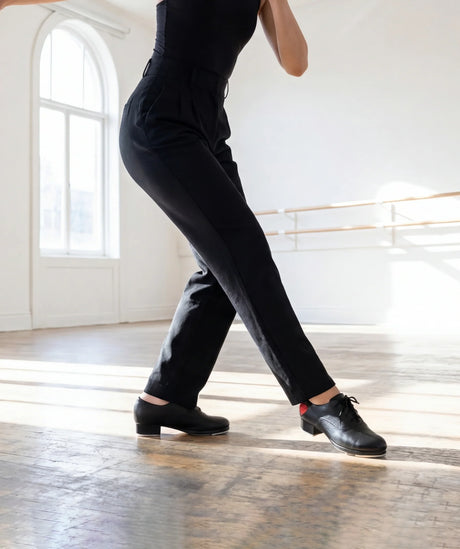
A first tap shoe should provide a secure fit, manageable flexibility and a stable base for learning fundamental rhythm and technique.


So Danca
TA52 Ultra-Flexi Split-Sole Tap Shoes • Streamlined Profile


So Danca
TA815 Professional Leather Tap Shoes • Black, Unmatched Sound


Roch Valley
Silver Hologram Tap Shoes • Classic Front Tie - LHPH


So Danca
TA44 Classic Low-Heel Tap Shoes • Vintage Stage Style


So Danca
TA32 Front-Tie Full-Sole Tap Shoes • Feminine Class Style


So Danca
TA38 Easy-Fit Vegan Velcro Tap Shoes • Mary Jane Style, Black
The correct tap shoe depends on the dancer’s experience, foot shape, preferred fastening, heel height, sole construction and the type of training or performance being undertaken.
A beginner learning shuffles and basic time steps requires something very different from an experienced dancer looking for greater articulation, tonal depth or professional stage projection. Do not choose purely by price, appearance or the loudest available construction, the right shoe must feel secure and provide an appropriate level of support and response.

Oxford tap shoes use a fully enclosed lace-up upper that can be adjusted across the instep. They are offered in beginner, leather student and professional double-sole constructions.
Look for this if you like: secure lacing • enclosed support • classic tap styling • adjustable instep fit

Mary Jane tap shoes use a strap across the instep, secured with a buckle, elastic connection or Velcro fastening. They can offer a lighter, more open appearance than an Oxford shoe.
Look for this if you like: easy fastening • open instep • classic class style • musical-theatre versatility

Front-tie shoes have a lower-cut upper with a short lace or cord fastening. They create a neat, traditional profile while providing some adjustment across the front of the foot.
Look for this if you like: lightweight feel • open instep • simple adjustment • traditional beginner styling

Slip-on tap shoes may combine leather with stretch or neoprene panels, allowing the shoe to sit closely around the foot without conventional lacing. These flexible constructions are generally intended for dancers with established strength and control.
Look for this if you like: close fit • foot articulation • streamlined line • advanced flexibility
The most expensive, loudest or most flexible tap shoe is not automatically the correct one. A suitable shoe must match the dancer’s experience, foot shape, preferred fit, required support, heel control and sound priorities.
Treat every change of brand, model or construction as a new fitting. Two tap shoes marked with the same UK size may fit very differently because of their shape, width, upper, lining and sole construction.
A supportive full-sole shoe with a low heel and secure fastening is a practical starting point. The exact model should suit the dancer’s foot shape, class requirements and teacher’s guidance
A full sole creates a more continuous, supportive base beneath the foot. A split sole separates the forefoot and heel sections, allowing greater articulation but requiring more established strength and control.
Tap shoes should feel close and secure, with the toes lying flat and the heel remaining stable. They should not contain excessive growing room or cause painful pressure.
Not always. Sizing varies between brands and models, and the size printed inside the shoe may use a different international system. Follow the individual product’s fit advice.
Some beginners may use a low, broad heel, but higher stage heels require additional balance and control. Follow the requirements of the dancer’s class, teacher or production.
The models in this collection are supplied with toe and heel taps fitted. Attachment methods vary, so check the individual product profile for model-specific information.
Tap shoes are intended for appropriate indoor dance surfaces. Outdoor use can damage the tap plates and soles and may contaminate studio floors.
Sound depends on technique, tap construction, the sole, heel and floor surface. Do not loosen, reshape or alter tap hardware simply to create more volume. Clean, controlled technique is more important than maximum loudness.
Replace tap shoes when the upper, fastening, sole, heel or tap connection no longer provides a secure and reliable structure. Stop using shoes if the taps or heel become unstable.
First class booked, but unsure which shoes to buy? Get to know Irish dance pumps, boys’ reel shoes and hard shoes, with a simple guide to what you need now...
Stephen Rock |

Turn leotards, tights and warm-ups into seven easy Halloween costumes, from Black Swan and Jane Fonda-inspired aerobics to a playful black cat or ballet fairy. Discover simple outfit ideas with...
Stephen Rock |

Starting adult ballet? Discover what to wear to your first class, from comfortable leggings and tops to ballet shoes, tights and optional layers, with a simple checklist to help you...
Stephen Rock |

Footed tights cover the feet completely. Convertible tights have an opening underneath, so you can switch between covered and bare feet. Footless tights finish at the ankles, leaving the feet...
Stephen Rock |

The Bloch Performa is one of the most recognised stretch canvas ballet shoes, loved for its lightweight feel, flexible split sole and close, streamlined fit. In this Dance World Expert...
Stephen Rock |

Discover what makes DellaLo Milano leotards so distinctive, from their Italian cut and signature tulle to the way lace, lining and girth affect fit. This practical dancer’s guide explains the...
Stephen Rock |

A professional guide to pointe shoe anatomy, fittings, shanks, widths, manufacturer markings, repeat ordering, accessories and care.
Stephen Rock |

Suede, leather, rubber, tap plates, split soles, spin spots and hybrid designs, what actually changes beneath your feet? Our guide explains how dance shoe soles influence grip, glide, turns, flexibility...
Stephen Rock |


