
Irish Dancing Shoes for Beginners: Pumps, Hard Shoes & What to Buy First
First class booked, but unsure which shoes to buy? Get to know Irish dance pumps, boys’ reel shoes and hard shoes, with a simple guide to what you need now...
Stephen Rock |
Free shipping over €99*

READY. SET.DANCE.


So Danca
BL305 CHA CHA Leather Latin Dance Sandals • Duo Sole, 3” Braced Heel


So Danca
BL304 CHA CHA Satin Latin Dance Sandals • Black, 3" Heel & Duo Sole


PortDance
PD819 Black Lace-Up Social Dance Booties • 50mm Heel


PortDance
PD805 PRO Black Glitter Dance Heels • 70mm Stiletto, Black Glitter


PortDance
PD137 Premium Latin Dance Shoes • 50mm Heel, Dark Tan


PortDance
PD008 Premium Dark Tan Leather Cuban Heel Dance Shoes


PortDance
NOIRE Cuban Professional Dance Shoes • 40mm Heel, Black Sequin Nubuck


So Danca
BL54 Leather Lace-Up Ballroom Practice Shoes • Black Leather


So Danca
BL302 Jive Ballroom & Latin Practice Shoes • Duo Sole Design


So Danca
BL303 Jivi Leather Ballroom & Latin Practice Shoes • Duo Sole Design


International Dance Shoes
Heather Blue/Pink Panther • Split-Sole Practice Shoes, Ultra Flexible


International Dance Shoes
Heather Split-Sole Practice Shoes • Ballroom & Latin Dance Shoes


PortDance
GROOVIES BALI Leopard Dance Sneakers • Spin Sole Design


Diamant
BEAT 212 SpinPoint Leather Dance Sneakers • Feather-light Design


PortDance
PD810 Neoprene Ballroom & Latin Shoes • 70mm Heel, Black Glitter
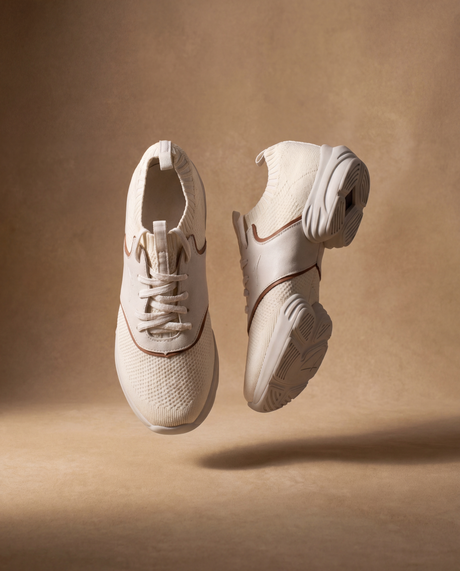
Suede, leather, rubber, split soles and specialist spin designs can completely change how a dance shoe grips, glides and turns. Our complete guide explains what each construction is designed to do


PortDance
TATIANA Black Lace-Up Dance Heels • 80mm Flare Heel


Diamant
Black Ballroom & Latin Dance Shoes - 5cm Flare Heel • 141


Freed Of London
Leona Black Satin Dance Shoes • 2.5" Heel & Diamante Vamp Detail


PortDance
CLARA Black Crystal Latin Dance Shoes • 70mm Flare Heel


PortDance
PD800 NET Black Ballroom & Latin Shoes • 55mm Heel, Glitter Detail


Diamant
VarioSpin Latin Dance Shoes - Multistrap Design & 6.5cm Flare Heel • 108


PortDance
PD800 Bronze Satin & Glitter Dance Heels • 75mm Slim Heel


Freed Of London
Flavia Dark Tan Satin Latin Dance Shoes • Elegant 3" Heel


Diamant
DanceArt Ladies Latin Competition Dance Shoes, Satin Dance Heels 5cm • 217


International Dance Shoes
Tan Satin Latin Shoes • 2.5" Flare Heel & X-Strap Design - L3007


International Dance Shoes
MIA Tan Satin Latin Shoes • 3" Heel & Three-way Strap Design


International Dance Shoes
Flesh Satin Ballroom Shoes • Elegant 2.5" Heel - ICS RT SS


International Dance Shoes
Single Strap Ballroom Shoes • 2" Heel & Elegant Satin Finish - ICS RT 2


Diamant
Gold Ballroom & Latin Dance Shoes - 5cm Flare Heel • 141


Diamant
Silver Ballroom & Latin Dance Shoes - 5cm Flare Heel • 141


PortDance
FASHION Dance Practice Shoe • Black Sequin, Salsa & Latin Trainer


PortDance
PEDRO Practice Dance Shoes • Black Nubuck & Comfort Fit


PortDance
BALLERINA Sequin Dance Flats • Black & Beige/Gold, Neolite Sole


PortDance
SWING Bootie • West Coast Swing & Social Dance Shoes


PortDance
PD804 Black Nubuck Dance Shoes • 50mm Heel, Back Zip
The right dance shoe depends on far more than colour or heel height. Dance style, experience, foot shape, width, toe shape, fastening, sole construction and the amount of support or flexibility you prefer all influence the choice.
A well-fitted shoe should hold the foot securely without painful pressure or uncontrolled movement. Beginners may prefer lower or broader heels and supportive uppers, while experienced dancers may choose greater flexibility, articulation or height. Always use the model-specific fit advice rather than assuming every brand converts from street size in the same way.

So Danca offers everything from low-heel beginner and juvenile styles to flexible Duo Sole practice shoes, satin sandals and polished social dance heels.
Known for: beginner-friendly options • Duo Sole designs • varied heel heights • ballroom, Latin and social styles

PortDance combines Portuguese craftsmanship with modern cushioning, flexible constructions and distinctive finishes. The range covers practice shoes, dance booties, social heels and performance sandals.
Known for: handcrafted construction • cushioned interiors • distinctive materials • practice and social styles

Made in Germany, Diamant dance shoes combine established ballroom construction with modern sole engineering. The collection includes stable ballroom shoes, Latin sandals, wide-fit designs and SpinPoint or VarioSpin models.
Known for: German craftsmanship • specialist sole systems • wide-fit options • precise heel constructions

International Dance Shoes are handmade in England, with a strong focus on competition, social and practice footwear. The collection includes refined satin styles, supportive lower heels and flexible split-sole practice shoes.
Known for: English craftsmanship • competition heritage • varied fits and heels • secure, elegant designs
The most expensive, highest or most decorative dance shoe is not automatically the right one. A suitable shoe is the combination of model, size, width, heel, toe shape, fastening and sole that feels secure and balanced for your foot and your style of dancing.
If you are changing brand, heel height or shoe type, treat it as a new fit rather than ordering from street size alone. For competition, syllabus or juvenile requirements, always follow your teacher or coach’s guidance.
Women’s ballroom shoes traditionally have a closed toe and an elegant, supportive upper designed for smooth travelling movement. Latin shoes are commonly open-toed and strappy, with greater forefoot flexibility and a more articulated profile. Social and crossover models may combine features from both categories.
Dance shoes should feel close and secure, with the heel held firmly and the foot unable to slide excessively inside the shoe. Toes should not be painfully compressed, and straps should provide security without cutting into the foot.
Not necessarily. Sizing can vary between brands, models and shoe constructions. Use the fit advice provided for the individual product rather than ordering automatically from your usual street-shoe size.
Many beginners prefer a lower heel or a heel with a broader base while developing balance and control. The most appropriate height also depends on the dance style, the dancer’s experience and any guidance provided by their teacher.
Practice shoes are designed for frequent class, rehearsal or teaching. They commonly feature secure lace-up uppers, lower or Cuban-style heels, cushioning and durable, flexible constructions.
Suede soles create a controlled relationship between grip and glide on suitable indoor dance floors. They support turns and travelling movement but require regular care and should be kept away from rough or wet outdoor surfaces.
Suede-soled shoes are normally intended for clean indoor dance floors. Rough ground, dirt and moisture can damage or contaminate the suede and alter how it behaves on the dance floor.
Many dancers choose flexible, open-toe Latin shoes for salsa and bachata. However, the correct heel height, fastening and level of support depend on experience, foot shape and personal preference.
Closed-toe shoes provide a classic ballroom profile and covered forefoot. Open-toe designs offer a more flexible and articulated Latin line. Your dance style and the security of the individual fit should guide the decision.
Allow shoes to dry naturally after wear and store them in a breathable bag. Keep suede soles away from outdoor surfaces and refresh the nap carefully with a dedicated suede brush when required. Follow the manufacturer’s care instructions for satin, leather, nubuck and specialist sole materials.
First class booked, but unsure which shoes to buy? Get to know Irish dance pumps, boys’ reel shoes and hard shoes, with a simple guide to what you need now...
Stephen Rock |

Turn leotards, tights and warm-ups into seven easy Halloween costumes, from Black Swan and Jane Fonda-inspired aerobics to a playful black cat or ballet fairy. Discover simple outfit ideas with...
Stephen Rock |

Starting adult ballet? Discover what to wear to your first class, from comfortable leggings and tops to ballet shoes, tights and optional layers, with a simple checklist to help you...
Stephen Rock |

Footed tights cover the feet completely. Convertible tights have an opening underneath, so you can switch between covered and bare feet. Footless tights finish at the ankles, leaving the feet...
Stephen Rock |

The Bloch Performa is one of the most recognised stretch canvas ballet shoes, loved for its lightweight feel, flexible split sole and close, streamlined fit. In this Dance World Expert...
Stephen Rock |

Discover what makes DellaLo Milano leotards so distinctive, from their Italian cut and signature tulle to the way lace, lining and girth affect fit. This practical dancer’s guide explains the...
Stephen Rock |

A professional guide to pointe shoe anatomy, fittings, shanks, widths, manufacturer markings, repeat ordering, accessories and care.
Stephen Rock |

Suede, leather, rubber, tap plates, split soles, spin spots and hybrid designs, what actually changes beneath your feet? Our guide explains how dance shoe soles influence grip, glide, turns, flexibility...
Stephen Rock |


